





Sometimes you learn from positive role models. Often you learn from negative ones. This is one of the reasons I love to read history—you inevitably get both.
For the last week or so, I have been reading Team of Rivals by Doris Kearns Goodwin. It is a page-turning account of Abraham Lincoln’s presidency and his political genius.
At the beginning of Lincoln’s first term, he appointed each of his former Republican rivals—those who had run against him for his party’s nomination—to cabinet posts. The narrative demonstrates his amazing ability to tap into a broad array of perspectives and create alignment among those who often disagreed violently with one another.
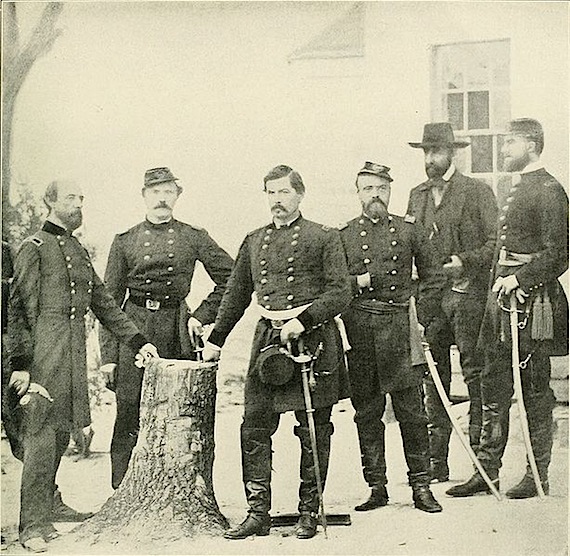
Unfortunately, Lincoln's leadership was not perfect. He occasionally selected men for public service who were unworthy of his trust. One such individual was General George B. McClellan, commander of the “Army of the Potomac” and, eventually, first general-in-chief of the Union Army.
General McClellan had significant character flaws that I believe serve as warning signs to anyone in leadership. Ultimately, these cost him dearly: He lost Lincoln’s confidence, his job, and a run for the White House (against Lincoln). Worse, they prolonged the Civil War and cost the lives of tens of thousands of soldiers on both sides of the conflict.
Here are the five flaws I jotted down as I read the book:
- Hesitating to take definitive action. McClellan was constantly preparing. According to him, the Army was never quite ready. The troops just needed a little more training. In his procrastination, he refused to engage the enemy, even when he clearly had the advantage. He could just not bring himself to launch an attack. When Lincoln finally relieved him of his duties, he famously said, “If General McClellan does not want to use the army, I would like to borrow it for a time.”
- Complaining about a lack of resources. He constantly complained about the lack of available resources. He didn’t have enough men. His men weren’t paid enough. They didn’t have enough heavy artillery. And on and on he went. The truth is that, as a leader, you never have enough resources. You could always use more of one thing or another. But the successful leaders figure out how to get the job done with the resources they have.
- Refusing to take responsibility. McClellan was constantly blaming everyone else for his mistakes and for his refusal to act. He even blamed the President. Every time he suffered a defeat or a setback, someone or something was to blame. He was a master finger-pointer. Great leaders don’t do this. They are accountable for the results and accept full responsibility for the outcomes.
- Abusing the privileges of leadership. While his troops were struggling in almost unbearable conditions, McClellan lived in near-royal splendor. He spent almost every evening entertaining guests with elaborate dinners and parties. He insisted on the best clothes and accommodations. His lifestyle stood in distinct contrast to General Ulysses S. Grant, his eventual successor, who often traveled with only a toothbrush.
- Engaging in acts of insubordination. McClellan openly and continually criticized the President, his boss. He was passive-aggressive. Even when Lincoln gave him a direct order, he found a way to avoid obeying it. In his arrogance, he always knew better than the President and had a ready excuse to rationalize his lack of follow-through.
President Lincoln had the patience of Job. He gave General McClellan numerous opportunities to correct his behavior and redeem himself. But in the end, McClellan either could not or would not do so. He left the President no choice but to relieve him of his duties.
These same character flaws afflict many leaders today. The best safeguard is self-awareness.
Disclosure of Material Connection: Some of the links in the post above are “affiliate links.” This means if you click on the link and purchase the item, we will receive an affiliate commission. Regardless, we only recommend products or services we use and believe will add value to our readers. We are disclosing this in accordance with the Federal Trade Commission’s 16 CFR, Part 255: “Guides Concerning the Use of Endorsements and Testimonials in Advertising.